
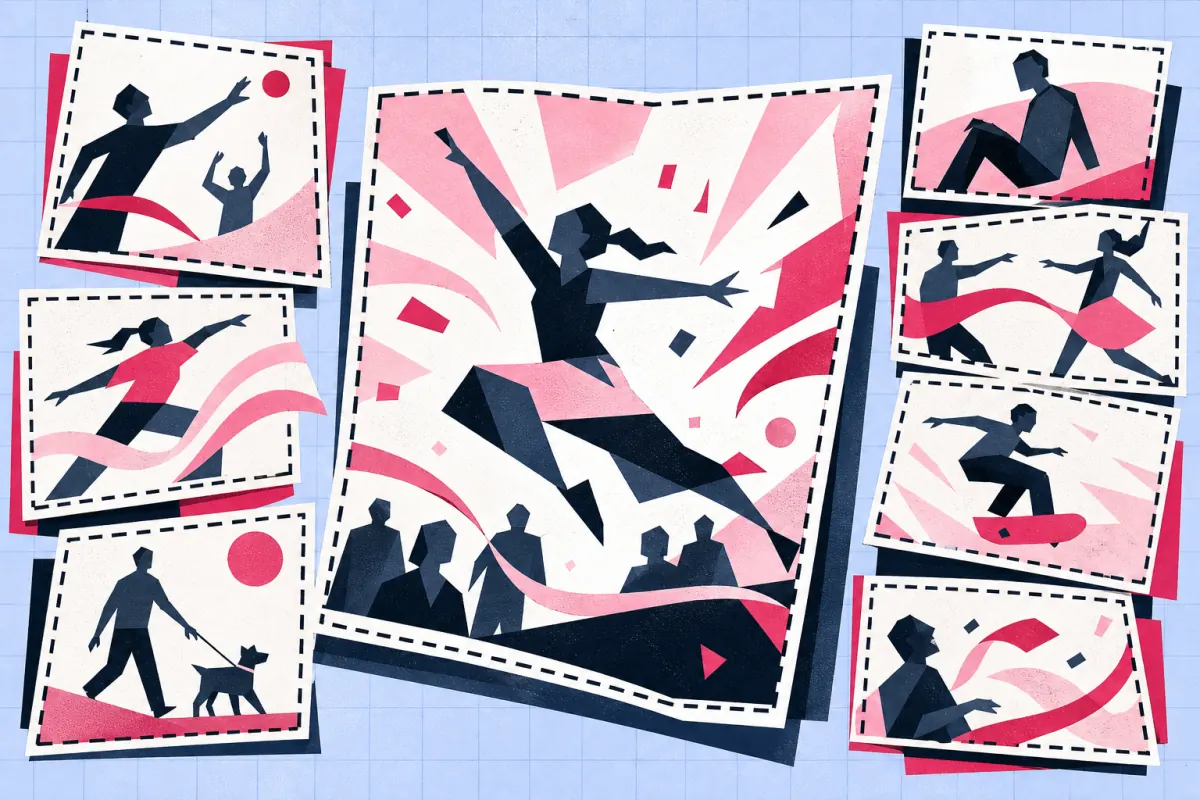
A captured-moment photo holds the small action between the planned pictures: a glance across the room, a hand reaching for another, or a burst of laughter after everyone relaxes. The frame matters because the interaction is real, not because it is perfectly arranged.
What Makes a Moment Feel Candid?
Candid photography does not mean photographing carelessly or without permission. It means paying attention while people move, talk, and respond naturally. The photographer anticipates where an interaction may unfold and makes room for it rather than directing every gesture.
The strongest frame usually has a clear subject and enough context to show what is happening. Expression, posture, light, and the relationship between people carry more of the story than an elaborate pose.
A captured moment photo is an authentic image that documents a fleeting, spontaneous event. It is characterized by natural emotion, real interactions, and unposed scenes. This type of photography seeks to record genuine experiences as they happen. The result is a photograph that feels immediate and emotionally resonant. Authentic photography captures more than just a scene; it conveys emotion, seizes fleeting moments, and uses natural light to enhance realism. These factors work together to create images that resonate and feel genuine.
Notice the Edges of the Main Event
Important interactions often happen just outside the formal activity. At a wedding, one person may straighten a sleeve while another watches. At a family gathering, a child may turn toward a familiar voice. During a graduation, the pause before or after the ceremony can reveal more than the official procession.
Watching the edges does not mean ignoring the central moment. It means staying aware of reactions, transitions, and details that connect one part of the day to the next.
Candid photography excels at capturing genuine interactions and spontaneous emotions. Moments filled with laughter, surprise, or quiet connection are best suited for this style, especially in personal celebrations. Weddings and Engagements: Weddings provide opportunities for candid shots. The focus is on unplanned expressions: a laugh during a toast, a quiet exchange between the couple, or guests enjoying the celebration. Engagement parties also benefit from candid images. Moments like friends congratulating the couple or the couple’s natural reactions add authenticity to the event’s memory.
Use Light Without Interrupting the Scene
Natural light can help a photograph feel quiet and immediate, but it still needs to be read carefully. Window light may shape a face softly; strong backlight may simplify a scene into gesture and outline; mixed light may require a change in position.
The goal is not to force every setting into the same look. It is to recognize where the existing light supports the moment and where a distracting background or harsh angle can be avoided with a small shift.
Expression, body language, and context work together. A glance may matter because of the person receiving it; a hand reaching into the frame may complete an action that began several moments earlier. Anticipation helps, but candid photography is not a contest to find one perfect fraction of time. It is a practice of staying ready through a sequence and recognizing which frame carries the relationship most clearly. Natural light can preserve small changes in texture and gesture, while thoughtful exposure keeps attention on the people rather than the equipment. Patience matters as much as reflexes because genuine interactions often build gradually.
Make Composition Serve the Interaction
Composition gives an unscripted frame its clarity. Doorways, tables, windows, and other foreground elements can create layers, while open space can emphasize a gesture or expression. Movement may lead across the frame rather than sitting neatly in the center.
A photograph can include imperfection and still feel complete. A turned shoulder, a blurred hand, or an off-center subject may preserve the energy of the moment when a cleaner arrangement would flatten it.
Capturing a compelling photo often depends on how elements are arranged within the frame. Key techniques include applying compositional rules, emphasizing subject movement, and leveraging natural, unposed interactions. Rule of Thirds in Action Photography: The rule of thirds divides the frame into nine equal parts, placing key elements along these lines or their intersections. This method guides the viewer’s eye and creates balance while adding tension and interest to action shots. In fast-moving scenes, positioning the subject off-center leaves space for movement. For example, placing a runner on the left two-thirds line allows them to “move into” the open space, enhancing the sense of speed and direction.
Blend Direction With Observation
Some occasions need gentle guidance. A photographer can choose a comfortable location, suggest that people move or talk together, and then step back from constant instruction. The setup creates a useful frame; the people inside it create the expression.
A clear conversation before the session also helps. People can explain privacy boundaries, family dynamics, and moments they want covered without scripting every photograph.
Successfully photographing brief moments demands a mix of awareness, technical settings, and subtlety. The photographer must anticipate action, adjust equipment quickly, and remain unobtrusive to seize natural expressions or movement. Understanding Your Environment: Photographers should analyze the environment before shooting. Observing lighting conditions, background elements, and the typical movement patterns of subjects helps predict crucial moments. Staying aware of reflections, shadows, or distractions reveals better angles to emphasize the subject. Familiarity with the environment allows quick repositioning, ensuring the right background or frame when the moment unfolds.
Edit Without Replacing What Happened
Selection is part of the storytelling. Look for frames that reveal relationships and carry the sequence forward, not only isolated expressions. Nearby photographs can work together: an establishing view, a small detail, and a reaction may tell more than any one image.
Editing should support the photograph’s light, color, and focus without changing the event into something it was not. Natural skin texture, believable color, and consistent treatment keep attention on the moment.
Editing and preserving a captured moment photo requires careful choices to maintain its authenticity. The process involves picking images that communicate the story effectively and applying subtle enhancements that respect the original scene. Selecting Images That Resonate: The key is to choose photos that convey emotion and context clearly. Look for expressions, lighting, and composition that naturally draw the viewer in. Photos with forced poses or distractions nearby usually get discarded to keep the collection genuine. Reviewing images multiple times at different intervals helps in unbiased selection.
Respect Belongs in the Frame
People should know how photographs may be used, especially when children, private settings, or vulnerable moments are involved. A meaningful image is not automatically a public image. Permission and stated boundaries remain part of responsible candid work.
Respect is a practical conversation, not a footnote after the photographs are made. Before a session, discuss who may be photographed, which parts of the occasion are private, and where the finished images may appear. During the event, pay attention when someone steps away, declines the camera, or asks that a moment remain unshared. Children and vulnerable situations deserve particular care and clear involvement from the responsible adults. When intended use changes, ask again rather than assuming that permission for a private gallery also covers public promotion. Local requirements and venue rules should be checked with an appropriate source for the specific situation; the camera does not turn a sensitive moment into public property.
Keep the Moments Together
Captured moments gain depth when they are arranged as a sequence. An album can hold the rhythm of a day, while a carefully chosen print can make one quiet interaction part of everyday life at home.
The lasting value is not flawless timing alone. It is recognition: the sense that the photograph preserved how the moment felt without asking it to perform.
Captured moment photos hold value beyond just the image itself. They invite thoughtful preservation and display methods that highlight their emotional importance and keep memories alive. Building Custom Photo Albums: Creating custom photo albums transforms a collection of images into a tangible story. The process starts by selecting photos that best represent key events or emotions. Albums can be designed with layouts, captions, and backgrounds to enhance the narrative flow. Albums offer a compact way to store and revisit moments. They are easy to share with family and friends and make meaningful gifts. Displaying Wall Art and Prints: Wall art creates a daily visual impact with captured moment photos. Choosing the right size and framing style affects how photos engage viewers.