
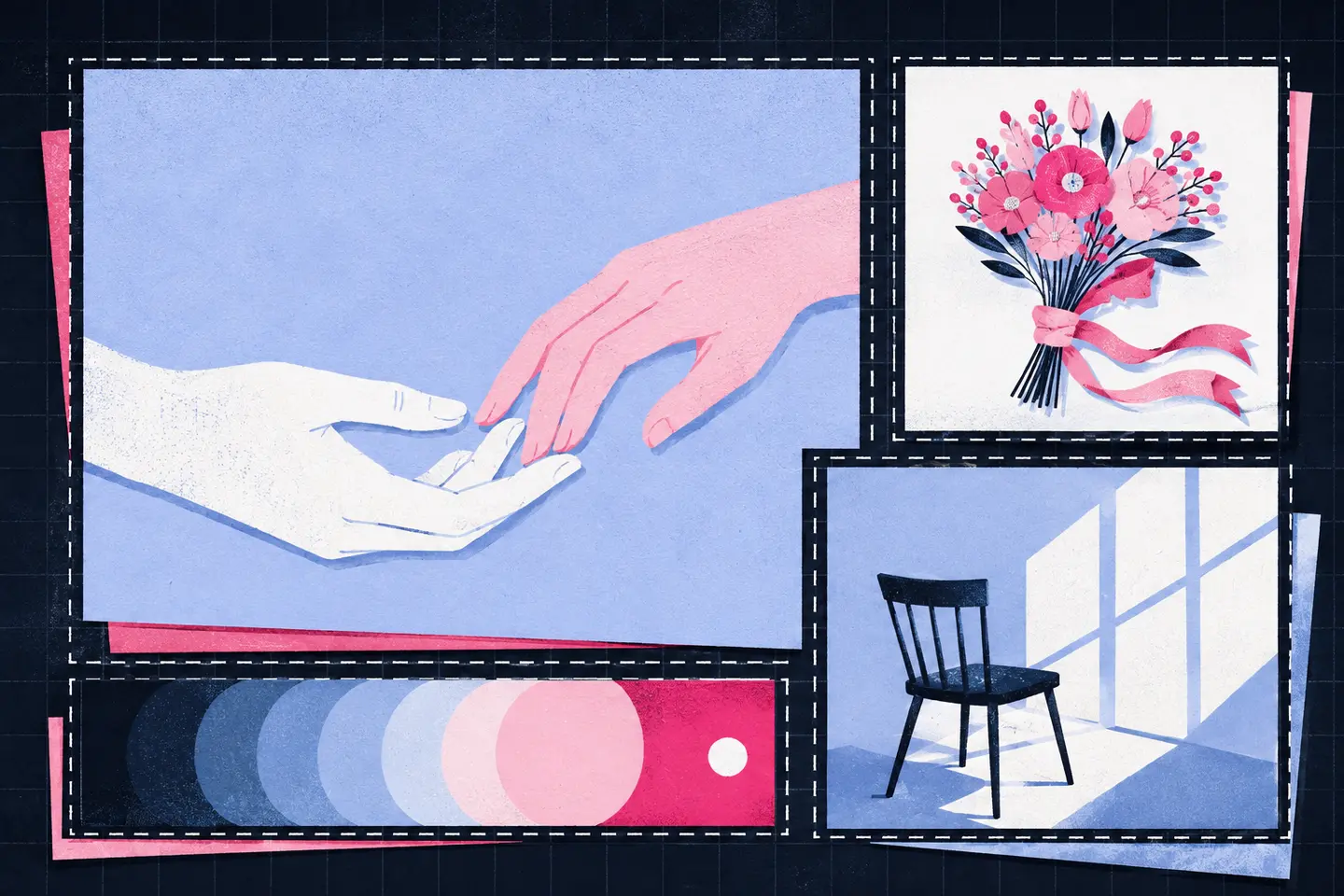
Capturing an occasion does not mean photographing everything. A useful collection shows who was there, where they gathered and how they related to one another. A hand reaching for a bouquet or a child settling beside a parent can matter as much as a carefully arranged portrait.
Whether you are photographing a wedding, a family gathering or an afternoon at home, prepare for the essential pictures and leave room for events to unfold. The aim is to preserve recognisable details without spending the whole occasion behind a camera.
Decide What You Want to Remember
Make a short list of photographs that cannot easily be repeated. For a wedding, that might include the ceremony and particular family groupings. At home, it could be a shared activity, a favourite room and a portrait of everyone together. Distinguish these priorities from pictures that would simply be nice to have.
For group photographs, write down the combinations beforehand and ask someone who knows the guests to help gather people. Arrange pictures involving young children or relatives who tire easily before longer sessions. Leave time for people to move between places rather than packing every minute with another photograph.
Ask about boundaries too. Someone may dislike being photographed while eating or may want certain pictures kept private. Agree on what can be shared separately from what can be photographed. Respect a refusal without asking the person to justify it.
Choose a Comfortable Place
A familiar kitchen, garden or walking route gives people something to do and can add personal context. Choose a place that suits the participants, rather than expecting everyone to manage a difficult route for a view. Check walking distances, seating, shelter, toilets and any permission needed to use the location.
Keep a nearby alternative in mind if rain or wind makes the original setting uncomfortable. Indoors, move bags or distracting clutter when practical, but retain objects that belong to the story. A worn chair or familiar blanket may be more meaningful than an empty background.
Read the Light Before You Shoot
Look at faces before looking at the scenery. Are people squinting? Are eye sockets in deep shadow? Is a bright window drawing attention away from the subject? A small change in position can help: turn towards a window, move into open shade or choose a background with less contrast.
Beside a window, try placing the subject at a slight angle to the light. Watch how the shadows change as they turn. Outdoors, avoid patches of sunlight falling unevenly across a group. Check everyone’s face, especially people standing at the edges, before taking the picture.
Review a sample frame when the light changes. Check that faces have enough detail and that movement is not producing unwanted blur. For moving children, a faster shutter speed may help; for a still group, allow enough depth of field to keep both front and back rows clear. Practise these adjustments before an important occasion.
Give People Something Natural to Do
Instead of asking everyone to look natural, offer a simple activity. Invite two people to walk together, ask a child to show a favourite object or photograph someone helping with a jacket. Give one instruction at a time, then wait rather than directing every gesture.
Combine arranged and candid pictures. Start with a clear portrait in which everyone has a comfortable place and can be seen. Then let conversation resume. Keep watching for a glance, a relaxed shoulder or a hand resting on someone’s arm. Connection does not require everyone to face the lens.
Let children pause or return to an activity if they lose interest. Offer a seat to anyone who needs one and avoid poses that require strain or balance. If a person seems uncomfortable, change the approach rather than insisting on a particular expression.
Notice the Transitions
Keep some attention on what happens between planned photographs: someone arriving, a greeting after a ceremony or friends settling around a table. These transitions show relationships through actions. Position yourself where you can observe without blocking a doorway, interrupting a conversation or getting in another photographer’s way.
After taking an arranged picture, wait briefly before moving on. People may turn towards each other or relax their posture. Photograph a small sequence if something is changing, then lower the camera. Do not ask people to repeat a private or emotional exchange simply because you missed it.
Include details that explain the occasion, such as decorations being prepared or toys left after a game. Choose details connected to the people present. An object needs context to contribute more than another attractive picture.
Vary the Frame
Use a wide photograph to establish the setting, a medium view to show people interacting and a close view for an expression or detail. You need not make all three for every scene. Look for what the collection lacks instead of repeating the same distance and angle throughout.
Check the edges before releasing the shutter. A bright bag, a sign behind someone’s head or a partly cropped hand can distract from the subject. Step sideways or adjust the camera height when that improves the frame. Leave enough space around a group for a modest crop later.
For group portraits, check that no face is hidden behind another person. Take a few frames to allow for blinking, but pause if attention fades. A shorter, clearly directed session is easier to manage than repeated requests for one more picture.
Make Space to Participate
If the occasion is your own, decide when to put the camera away. Ask someone trusted to cover a few important moments so that you appear in the collection too. Give them a short priority list and let them participate outside those moments.
Look and listen before reaching for the camera. You can choose to remember an experience without recording every part of it. For further reading on this subject, see The American Psychological Association’s discussion of photography and memory.
Select and Edit With Purpose
Review the pictures after the event and remove accidental frames and unnecessary duplicates. When choosing between similar images, compare expressions, gestures and focus at a useful viewing size. Keep the frame that contributes most to the story, rather than several versions that say the same thing.
Build a sequence with an establishing view, people, activities and a few relevant details. Adjust exposure, colour and cropping while keeping skin tones believable. Save edited versions separately from originals so that a crop or strong adjustment does not become your only remaining copy.
Keep the Photographs Accessible
Record names, dates, locations and the occasion while you remember them. Use clear folder names and add brief captions where a picture needs explanation. Avoid putting private information into captions intended for public sharing.
Keep multiple copies in separate locations and check periodically that you can open them. A backup is useful only if you can retrieve the files. The Library of Congress provides a practical starting point in Its guidance on preserving digital photographs.
Handle prints by their edges and protect them from moisture, excessive heat and prolonged light. Choose enclosures intended for photographs, and avoid attaching irreplaceable originals with glue or tape. Consult Its photograph care and storage guidance when organising a printed collection.